




SIL Provider
Transition

Is your SIL provider affected by upcoming NDIS registration changes?

Changes to Supported Independent Living (SIL) provider requirements may mean some participants need to transition to a new provider. If you're feeling uncertain about what happens next, we're here to help — with the right planning, your home, routines and relationships can stay just as they are.

What this means for you

Your life shouldn't be disrupted because the rules have changed

If your current SIL provider is unregistered and plans to stop delivering SIL supports, you may be wondering what this means for you.

The good news is that a provider transition doesn't necessarily mean starting over. With the right planning and support, many participants can maintain continuity in their daily lives while moving to a registered SIL provider.

Common concerns we hear include

  • ? Will I have to move house?
  • ? Can I keep my support workers?
  • ? What happens to my routines?
  • ? Will I lose choice and control?
  • ? How stressful will this transition be?
Why a transition can be smooth

Continuity you can count on

A change of provider doesn't have to mean change in the things that matter most.

Stay Connected to the People You Trust

Where possible, we can explore options that allow existing support workers to continue supporting you.

Maintain Stability at Home

Many participants can remain in their current home while transitioning to a new SIL provider.

Experienced Transition Support

Our teams have extensive experience helping participants move between providers with minimal disruption.

Our Program

Introducing Claro's Continuity of Support Program

When provider changes happen, our priority is helping you maintain the things that matter most. Our program is designed to guide participants, families, nominees and support coordinators through every stage of the transition process.

Even if you're not ready to move to Claro, we're committed to sharing reliable information and helping participants understand their options.

Your relationships
Your routines
Your independence
Your quality of life
Your choice and control
The Process

What does a SIL transition involve?

Four clear stages designed to minimise disruption and protect your continuity of support.

01

Understand Your Situation

We help you understand what the changes mean for your current supports and living arrangements.

02

Explore Your Options

Together, we discuss housing, staffing and support arrangements that best meet your needs.

03

Develop a Transition Plan

We create a personalised plan designed to minimise disruption and protect continuity of support.

04

Ongoing Support

Our team remains alongside you throughout the transition to ensure everything goes as smoothly as possible.

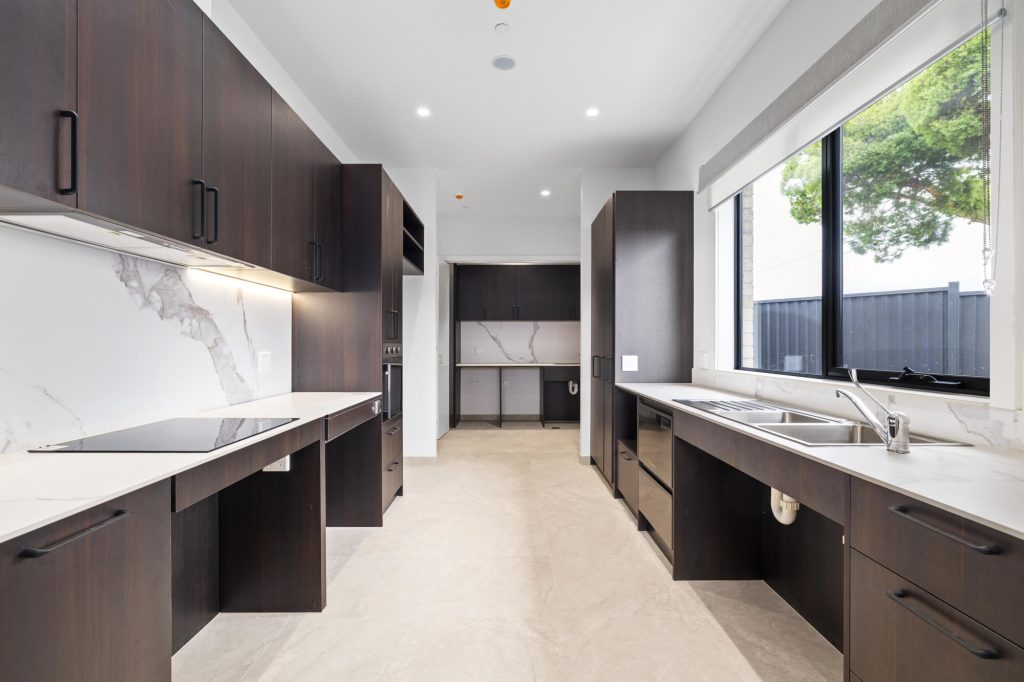
Modern accessible kitchen in a Claro supported home
Trusted Provider

Why participants choose Claro

  • One of Australia's leading disability support providers
  • Extensive experience supporting SIL transitions
  • Focus on participant choice and control
  • Strong relationships with families, support coordinators and allied health professionals
  • Commitment to continuity, safety and quality outcomes
Real Transitions

Case Studies

Stories of households who stayed together, stayed home, and kept the people they trust.

Western Melbourne Modern kitchen and living area in a Western Melbourne SIL home

Four housemates, 20 years together — staying put

Claro were approached by a SIL provider who were unable to continue delivering supports to 4 residents living in Western Melbourne. The residents had lived at the property for over 20 years and shared a special bond, so they knew they wanted to stay together and not move from the home and suburb they loved.

Claro met the residents and put forward a proposal to work closely with their exiting provider and current stakeholders, support the residents throughout the transition, and provide ongoing quality and continuity of supports. Families and decision makers received regular communications and meetings to discuss progress.

Reassured by Claro's team and processes, the residents selected Claro for their ongoing SIL supports and highlighted support staff they wished to keep on roster. Claro recruitment made contact, confirmed the appropriate screening checks and skills, and offered employment contracts. Several months on, the household remains happy, well supported and thriving within the Claro family.

South-East Melbourne Bright dining and living space in a South-East Melbourne SIL home

26 years of friendship, transitioned in weeks

When Claro were approached about providing SIL supports to 2 residents living in South East Melbourne, we were confident our Continuity of Support Program could provide a smooth and stable transition. The two residents had lived together for over 26 years and their bond was central to their stability and happiness — and with their families they loved the local area, so moving homes was not an option they wanted to consider.

The Claro team arranged supports in only a few short weeks, including transitioning some of the residents' existing support workers across to Claro employment. Maintaining these relationships, alongside the dedicated work of Claro's clinical and service teams, meant the residents transitioned smoothly and now continue to live happily in their warm and welcoming home.

The allied health teams supporting these residents were particularly happy with the transition, and how the residents were safely supported during a time of significant change.

Frequently Asked Questions

If your provider decides not to become registered, they may stop delivering SIL supports. You should begin discussing transition plans with your provider, support coordinator or another trusted advisor as early as possible.

Not necessarily. In many situations participants can remain in their existing home. The available options will depend on your circumstances and support arrangements.

In some cases, yes. There may be opportunities for support workers to continue supporting participants through alternative employment arrangements.

Every situation is different. Early planning generally creates more options and allows for a smoother transition.

No. The most important thing is understanding your options and developing a plan that works for you.

For Coordinators & Families

Are you a Support Coordinator, Guardian or Family Member?

Supporting someone through a provider transition can feel overwhelming. Our team can help with:

Transition planning
Participant engagement
Housing continuity discussions
Workforce continuity options
Communication & change management
SIL registration requirement info

Request Professional Support

Speak directly with our Enquiries Team about a participant's transition.

Call 1300 303 770
For Providers

For Providers Considering Their Next Steps

Supporting participants through change

The upcoming SIL registration requirements are creating important decisions for some providers. If your organisation is exploring registration, reviewing service delivery models, or considering how best to support participants through a transition, Claro may be able to help.

Our team has extensive experience managing participant transitions with a focus on continuity of supports, maintaining housing arrangements where possible, and preserving trusted support worker relationships. We understand the responsibility providers feel toward the people they support, and recognise the work that has gone into building those relationships.

If you'd like a confidential conversation about transition planning, participant continuity, workforce opportunities, or partnership options, we're happy to talk.

Discuss Transition Options — 1300 303 770

Navigating SIL changes?

You don't have to manage the transition alone. Explore options that help protect the routines, relationships and supports that matter most.